
Why Land Banking Is Becoming Nigerians’ Favorite Hedge Against Naira Devaluation
Every time the Naira slips, the same conversation resurfaces among Nigerians trying to protect their money: where do you put savings that won’t quietly lose value while sitting in an account? For a growing number of Nigerians, the answer has shifted decisively toward one asset class — land.
Land banking, once a strategy mostly discussed among seasoned investors, has moved into the mainstream. It’s no longer just a developer’s tool for acquiring large tracts ahead of expansion — it’s become one of the most accessible ways for everyday Nigerians to protect and grow wealth in an economy where currency value is unpredictable.
What Land Banking Actually Means
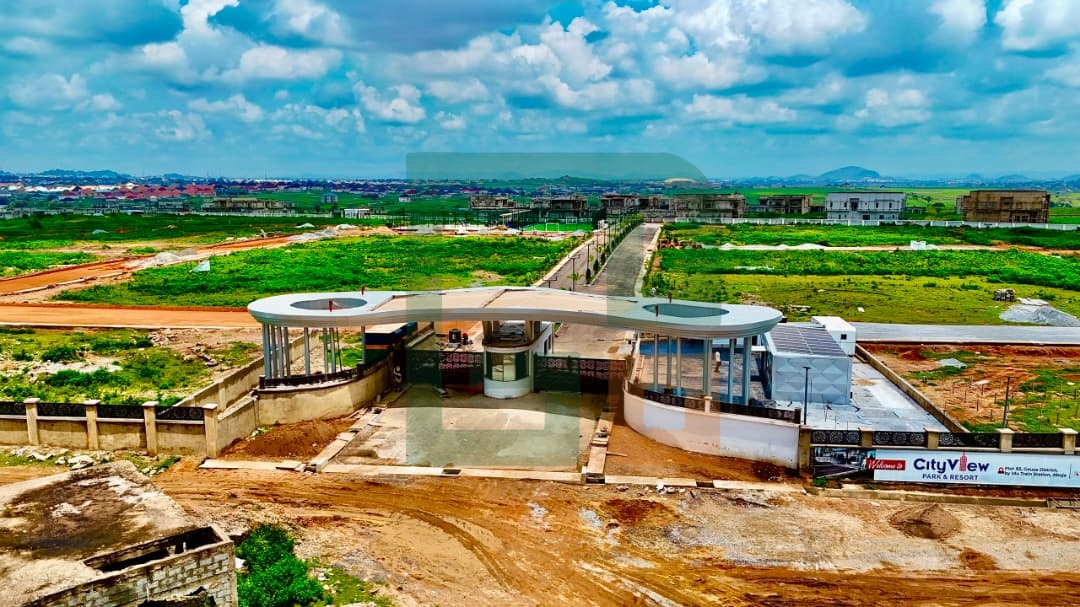
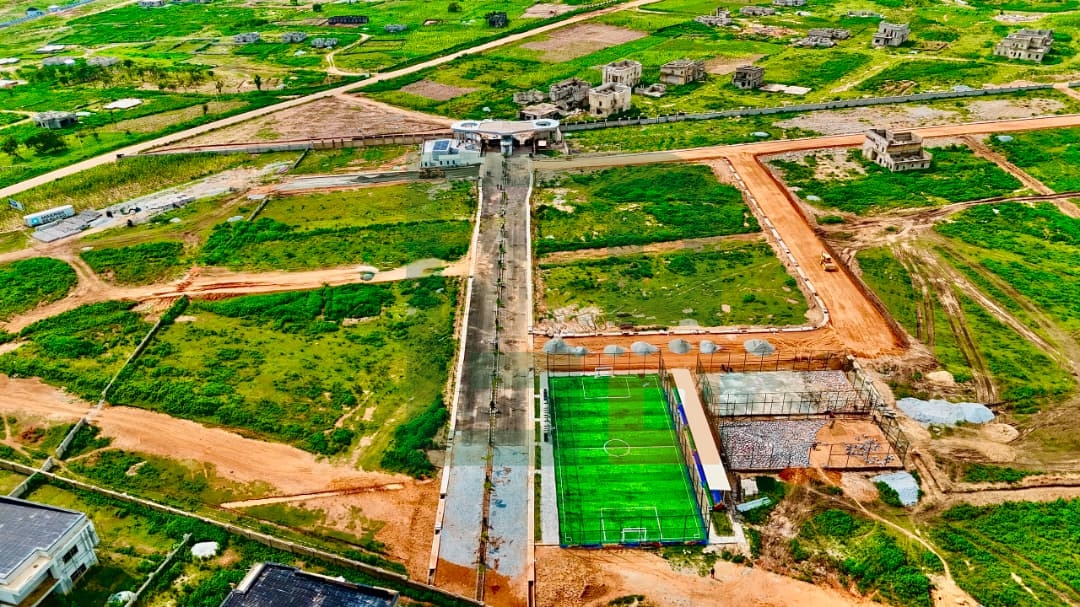
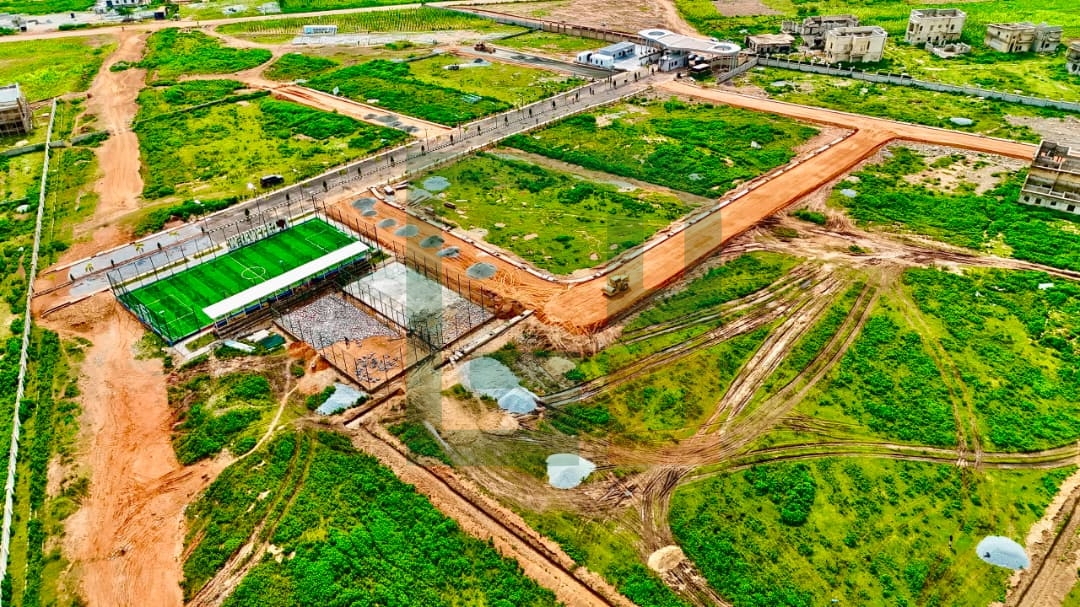
At its core, land banking is the practice of acquiring land — often in fast-developing or soon-to-develop areas — and holding it over time as its value appreciates, rather than buying to build immediately. In Nigeria, this has evolved into a structured investment product: buyers purchase serviced or documented plots, often through phased payment plans, with the expectation that values will rise meaningfully as infrastructure, population growth, or urban expansion reaches the area.
Why This Is Gaining Momentum Now
1. The Naira has made “cash savings” a losing strategy. When a currency loses purchasing power year after year, holding wealth in cash or even standard savings accounts becomes a slow erosion rather than a safe choice. Land, by contrast, is a physical, finite asset — it doesn’t devalue the way currency does, and in high-growth corridors, it tends to appreciate well above inflation.
2. Real estate outpaces most alternative investments in accessibility. Unlike stocks, forex, or crypto — which require market knowledge, timing, and risk tolerance many investors don’t have — land banking is comparatively straightforward. You buy a documented plot, you hold it, and time and location growth do much of the work.
3. Diaspora Nigerians are treating it as a long-distance wealth strategy. For Nigerians abroad earning in stronger currencies, land banking in Lagos and other growth corridors has become an efficient way to convert foreign earnings into an appreciating local asset — without needing to manage a property day-to-day.
4. Urban expansion keeps creating new “next big corridors.” Areas that were once considered far from the action — Ajah, Abijo GRA, Eleko, Ibeju-Lekki and similar growth corridors along the Lekki-Epe axis and beyond — have seen land values climb sharply as infrastructure and population expand outward from the city center. Early land bankers in these zones have often seen the strongest returns.
The Risk Most Investors Don’t Talk About
Land banking only works as a wealth-protection strategy if the land itself is legitimate. Nigeria’s real estate market has no shortage of cautionary tales — plots sold without proper title, land caught in family or government disputes, or companies that disappear after collecting payments.
This is why documentation and company credibility matter more in land banking than almost any other part of real estate. Before committing funds, serious investors typically look for:
- Verified Titles — Governor’s Consent, C of O, or clearly traceable title documents, not just a receipt
- A registered, verifiable company — one with a real CAC registration, not just an active social media page
- Proper Documentation: (Contract of sale, Deed of Assignment, and Survey Plan)
- A track Record — Completed projects, delivered allocations, and clients testimonials.
Land banking is a long-term commitment, often spanning years before the full value is realized. That makes trust and paperwork just as important as location.
Where the Smart Money Is Looking in Lagos
The strongest land banking performance in recent years has tended to follow infrastructure — new roads, proximity to established hubs, and rising residential demand. Corridors like Ajah, Abijo GRA, Eleko, Ibeju-Lekki, Epe, Mowe Mowe Ofada, Ikorodu, and Abuja have benefited from exactly this pattern: still more affordable than the older, established parts of Lekki, but positioned to catch the same growth wave as the city expands eastward.
For investors weighing where to place a land banking investment, the underlying question is usually the same: is this location likely to see meaningfully more demand — residential, commercial, or both — over the next five to ten years? Corridors already showing early signs of that shift tend to offer the best entry points, precisely because prices haven’t caught up yet.
Final Thought
As long as currency volatility remains a fact of life in Nigeria, land will likely keep its place as one of the most trusted ways to preserve and grow wealth. But land banking rewards patience and diligence far more than speed — the investors who do best are rarely the ones who moved fastest, but the ones who verified everything before they moved at all.

Join The Discussion